
Leo Alejandro Garcia: Where Tacos Meet Tradition
Down in the Rio Grande Valley, where the heat clings and the border breathes culture into every corner store, a voice cuts through — rough, real, and soaked in soul. Leo Alejandro Garcia isn’t trying to blend in. He’s trying to wake people up. And he’s doing it in two languages, with one boot in a honky-tonk and the other on a mariachi stage.
Born and raised in McAllen, Garcia grew up in the middle of a soundtrack that swung between George Strait and Vicente Fernández. “Some kids had cartoons,” he’s said. “I had mariachis and backyard beer.” That’s not nostalgia — that’s the DNA of his music. It’s why he doesn’t just dabble in both styles. He owns them. He calls it Texas Rancheras — not a crossover, not a gimmick — just the truth of who he is.

When Garcia sings, it’s not about switching genres. It’s about calling home from both sides of the border. He slips from English to Spanish like wind through mesquite branches, with lyrics that hit like confessionals and rhythms that make you want to dance, cry, or both.

And then there’s “Tacos.”
Forget heartbreak ballads and trucks in the rearview — Garcia took a tortilla, a hook, and a grin, and dropped a song that feels like golden hour at your cousin’s quinceañera. “Tacos” isn’t just catchy — it’s subversive in the most joyful way. It’s mariachi horns riding a two-step beat, with Garcia’s voice beaming like he knows exactly what he’s doing: rewriting what a Texas country hit can sound like.
This week, “Tacos” landed on The Texas Country Countdown with Brian Sprague. That’s not just a career milestone — that’s a line drawn in the sand. Country music’s rules are changing, and Garcia’s holding the pen.
Offstage, he’s just as loud — in all the right ways. As the Director of Tejano Reachout for the Texas Academy of Country Music, Garcia is dragging Tejano music out from the corners of family cookouts and into the spotlight. He’s not here to ask Nashville for favors. He’s here to make sure future generations don’t have to explain why a trumpet belongs in a country song.
He’s a mentor, a connector, a spark. Organizing showcases, setting up pipelines for young bilingual artists, creating a place for all the kids growing up with Selena and Strait in the same playlist. And he’s doing it without losing the workingman grit that’s gotten him this far.
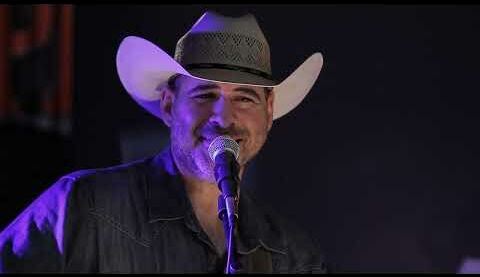
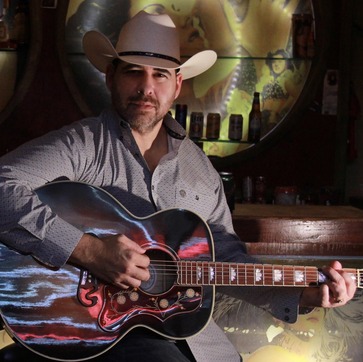
Garcia’s not chasing fame. He’s hauling it in behind a beat-up trailer, parking it at roadside bars and county fairs. He plays for the people who don’t care about charts — they care about feeling seen. His stage wardrobe? Cowboy hats worn soft at the brim, guayaberas with just enough starch, and boots that have danced on concrete and dirt alike. Style, for Garcia, isn’t about flash — it’s about respect.
He answers DMs. He shakes hands until the bar lights go out. And when he sings, it’s not just a performance — it’s a damn testimony.
Garcia’s not just making noise — he’s laying concrete. And whether it’s South Texas or the Stockyards, you’re gonna hear it.
